
Marketing, Sales and Communication
What are Targeting Algorithms?
Loading
/

45 écoutes

Partager

What are Targeting Algorithms?

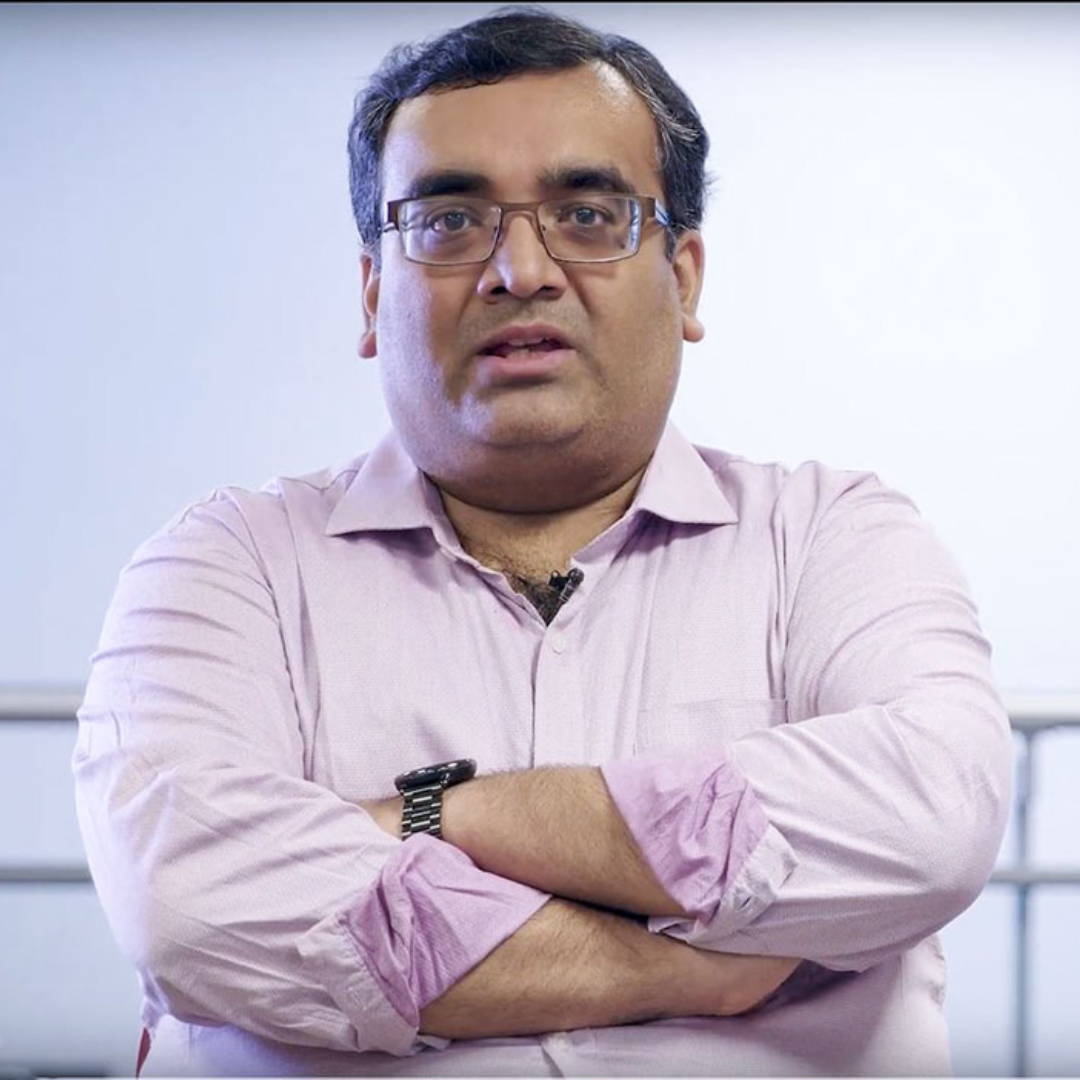
Not-for-profit organizations have long faced the challenge of balancing budgets when they simultaneously seek to retain and recruit new donors. In principle, existing donors can be targeted based on their previous donation data. However, for new donors, this data is not available or may be difficult to obtain from secondary sources. What should non-profit organizations do? We suggest 2 alternatives.
Mots clés

Auteur.e(s)

Institution(s)

Médias de la même institution

More organizations use AI in the hiring process than ever before, yet the perceived ethicality of such processes seems to be mixed. With such variation in our views of AI in hiring, we need to understand how these perceptions impact the organizations that use it. In two studies, we investigate how ethical perceptions of using AI in hiring are related to perceptions of organizational attractiveness and innovativeness. Our findings indicate that ethical perceptions of using AI in hiring are positively related to perceptions of organizational attractiveness, both directly and indirectly via perceptions of innovativeness, with variations depending on the type of hiring method used. For instance, we find that individuals who consider it ethical for organizations to use AI in ways often considered to be intrusive to privacy, such as analyzing social media content, view such organizations as both more innovative and attractive.
FIGUEROA-ARMIJOS Maria - FNEGE |
Artificial intelligence is already transforming lives and organizations. It brings a huge potential, for example, to achieve hyper-performance. Which is not about adding more trainings. But rather finding and removing obstacles from human minds. And artificial intelligence can facilitate that efficiently. It can help us to learn more about our own intelligence. Thus, giving us a unique chance to finally re-unite both intelligences.
STIBE Agnis - EM Normandie |
It is a state of performance when all unnecessary human thought is minimized or completely suppressed. Such as bad judgments, distracting thoughts, subjective biases, bad decisions, etc. For example, employees may be reluctant to accept artificial intelligence. That means there’s something in their mind that stops them. That something is the root cause.
STIBE Agnis - EM Normandie |
Our goal was to understand the effectiveness of a company in attracting its customer targets. To do this, we have developed a model that links a company’s marketing activities to the mix of customers who buy from the company. Most marketing models simply ask how a company’s marketing activities influence the number of customers who buy the brand. We wondered how a company’s marketing activities influence the types of customers who buy the brand.
SINHA Shameek - EMLV |

Médias de la même thématique

Our goal was to understand the effectiveness of a company in attracting its customer targets. To do this, we have developed a model that links a company’s marketing activities to the mix of customers who buy from the company. Most marketing models simply ask how a company’s marketing activities influence the number of customers who buy the brand. We wondered how a company’s marketing activities influence the types of customers who buy the brand.
SINHA Shameek - EMLV |
Tools and metrics for brand equity are proving inadequate in the rapidly evolving digital era. The study proposes a novel approach to Digital Brand Equity metrics. These metrics should not be based solely on social media and current digital indicators. New metrics should incorporate the share of search, digital brand awareness, and digital brand sentiment constructs. The study develops a Digital Brand Equity research agenda and underscores the critical research and policy questions
DAVCIK Nebojsa - EM Normandie |
Virtual influencers are 100% Computer Generated Influencers created by AI and 3D artists. These virtual influences can model, sing, and even interact with fans—without ever existing in real life. Despite the risks of virtual influencers (e.g., lack of authenticity, ethical and transparency concerns, etc.), they represent enormous opportunities for brands.
ZAMAN Mustafeed - EM Normandie |
Marketing seems to be slow to fully recognize its role, place and responsibility in changes in climate, biodiversity and resources. This reluctance can be attributed, at least in part, to the implicit assumptions of sustainable marketing, which tend to minimize the scale of the paradigm shifts needed to remain hopeful of a habitable planet. Consequently, the dominant approaches to “sustainable marketing” find it difficult to question the fundamental principles and ideological foundations of the market system. This is why we are calling for radical changes in marketing research in order to envisage a truly sustainable future. We are therefore formulating a program based on five proposals with the aim of inviting profound transformations in the discipline.
ARNOULD Eric - FNEGE |

Discover our podcasts (FR)